
Across the United States, municipalities are facing a growing challenge. Public infrastructure is aging while budgets remain tight and regulatory expectations continue to increase. Bridges, fire hydrants, guardrails, water towers, parking garages, and utility structures require constant maintenance to remain safe and functional. Replacing these assets is costly and often delayed.
As a result, more cities and counties are focusing on preservation rather than replacement. One technology gaining attention in this shift is laser cleaning for municipal infrastructure USA. Public agencies are beginning to use laser cleaning to remove corrosion, prepare surfaces, and protect existing assets without introducing environmental or safety risks.
Why Infrastructure Preservation Matters More Than Ever
Public infrastructure was built to last decades, but exposure to weather, road salt, moisture, and pollution accelerates corrosion and surface degradation. If left untreated, small surface issues turn into structural problems that require expensive repairs or full replacement.
Municipal leaders are now prioritizing maintenance strategies that
- Extend asset life
- Reduce capital replacement cycles
- Lower long term maintenance costs
- Improve safety and reliability
- Minimize disruption to the public
Laser cleaning supports all of these goals by allowing agencies to maintain assets more precisely and more frequently. That is why laser cleaning for municipal infrastructure USA is being evaluated as a core maintenance tool rather than a specialty solution.
What is Laser Cleaning and Why it Works for Public Assets
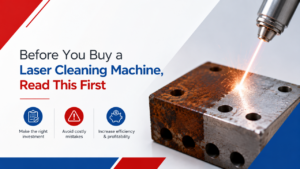
Laser cleaning uses controlled light energy to remove rust, coatings, paint, and surface contamination without damaging the underlying material. Unlike abrasive blasting or chemical stripping, the process is non destructive and produces minimal waste.
For municipalities, this means infrastructure can be cleaned and prepared without
- Abrasive media disposal
- Chemical runoff
- Airborne dust
- Damage to steel or iron surfaces
Because the laser interacts only with the unwanted surface layer, the base material remains intact. This precision is especially important for infrastructure assets that must maintain structural integrity for decades.
Municipal Applications of Laser Cleaning
Fire Hydrants and Water Infrastructure
Before repainting fire hydrants or water system components, surfaces must be properly prepared. Laser cleaning removes rust and old coatings while preserving the metal surface. This leads to better paint adhesion and longer service intervals.
Bridges and Structural Steel
Steel bridges, beams, and supports require regular corrosion control. Laser cleaning allows crews to remove rust and coatings without thinning steel or generating blasting debris. This helps agencies extend bridge service life and delay costly replacements.
Guardrails and Highway Safety Hardware
Guardrails and safety barriers are exposed to road salt and weather year round. Laser cleaning provides a clean surface for recoating and inspection, improving durability and safety performance.
Parking Garages and Public Structures
Parking garages contain steel beams, brackets, and anchors that corrode over time. Laser cleaning removes surface corrosion without disturbing surrounding concrete or creating airborne dust in enclosed environments.
Electrical Substations and Utility Assets
Laser cleaning can be used on metal components in substations and utility facilities where abrasive blasting is not practical. The process supports safe, controlled cleaning without introducing conductive debris.
These use cases demonstrate how laser cleaning for municipal infrastructure USA fits naturally into existing public works maintenance programs.
Environmental and Regulatory Benefits for Municipalities
Municipal agencies operate under strict environmental and safety regulations. Traditional blasting and chemical cleaning methods often require permits, containment systems, and disposal plans.
Laser cleaning reduces these burdens by:
- Eliminating abrasive media waste
- Avoiding chemical solvents and hazardous materials
- Reducing stormwater contamination risk
- Supporting EPA pollution prevention initiatives
- Improving OSHA compliance for worker safety
These benefits make laser cleaning for municipal infrastructure USA attractive not only to maintenance teams but also to environmental and compliance officers.
Cost Control and Taxpayer Value
One of the strongest arguments for laser cleaning in municipal use is lifecycle cost reduction. While traditional methods appear cheaper on a single project basis, they often lead to higher long term costs due to waste disposal, rework, and premature asset failure.
Laser cleaning helps municipalities:
- Extend repainting and recoating cycles
- Reduce outsourcing to specialty contractors
- Perform more work in house
- Achieve consistent and inspectable results
- Demonstrate responsible use of taxpayer funds
By preserving assets instead of replacing them, agencies can redirect capital toward other community priorities.
Why Municipalities Choose Clean Laser Technologies
Clean Laser Technologies manufactures industrial grade laser cleaning machines designed for demanding public sector environments. Their systems are built to support long duty cycles, mobile deployment, and multi department use.
Municipal customers choose Clean Laser Technologies because they provide:
- Industrial strength laser cleaning systems
- Made in America with globally sourced components
- Comprehensive operator and safety training
- US based technical support and service
- Shared marketing and educational resources
- Lifetime support after purchase
For agencies adopting laser cleaning for municipal infrastructure USA, having a reliable equipment partner is critical. Clean Laser Technologies supports municipalities from initial evaluation through long term operation.
Final Thoughts
Public infrastructure is one of the largest investments municipalities make, and preserving those assets is both a financial and public safety responsibility. Cities and counties across the United States are seeking smarter maintenance tools that reduce waste, improve safety, and deliver measurable value.
Laser cleaning for municipal infrastructure USA offers a modern approach to corrosion control and surface preparation that aligns with these goals. It allows agencies to extend asset life, reduce environmental risk, and demonstrate responsible stewardship of public funds.
As infrastructure challenges continue to grow, laser cleaning is becoming an important part of how municipalities protect and maintain the assets communities depend on every day.
Frequently Asked Questions
1. Is laser cleaning safe for public infrastructure assets
Yes. Laser cleaning removes surface contamination without damaging or thinning the base material.
2. Can municipalities use laser cleaning in house
Yes. Many agencies use laser cleaning systems as shared assets across multiple departments.
3. Does laser cleaning reduce environmental impact
Yes. It eliminates abrasive media and chemical waste, supporting environmental compliance.
4. Is laser cleaning suitable for confined or indoor spaces
Yes. The process produces minimal residue and can be used in enclosed environments with proper capture systems.
5. Can laser cleaning help reduce long term infrastructure costs
Yes. By extending asset life and reducing rework, laser cleaning supports lower lifecycle costs.