The rail industry in the USA plays a critical role in moving freight, energy products, chemicals, and passengers across the country. Rail networks operate in demanding environments where heavy loads, constant motion, weather exposure, and regulatory oversight place intense pressure on equipment and infrastructure. Maintaining rail assets efficiently and safely is essential for reliability, compliance, and long term cost control.
As rail operators modernize maintenance practices, advanced cleaning and surface preparation technologies are becoming increasingly important. Laser cleaning is emerging as a valuable tool across multiple applications within the rail industry in the USA, particularly for track components, brake systems, and tank cars.
Maintenance Challenges in the Rail Industry
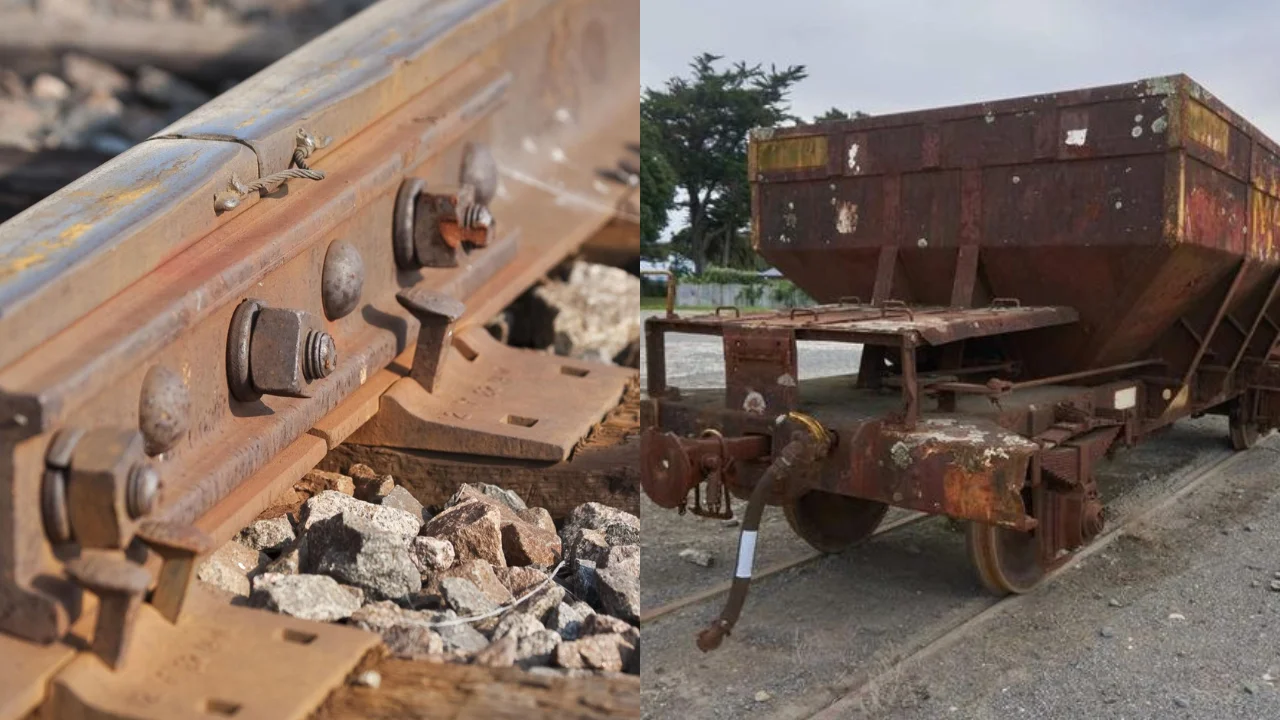
Rail equipment and infrastructure face constant mechanical stress and environmental exposure. Corrosion, coating degradation, grease buildup, and surface contamination are common issues that affect safety and performance.
Key challenges include:
- Corrosion on rails, fasteners, and structural components
- Brake dust and residue buildup on braking systems
- Coating failure on tank cars and rail equipment
- Limited maintenance windows and tight schedules
- Strict safety and environmental regulations
Traditional cleaning methods such as abrasive blasting and chemical stripping can be effective but often create secondary waste, increase downtime, and raise compliance concerns. This has driven interest in more controlled maintenance solutions within the rail industry in the USA.
Track Components and Infrastructure Applications
Track components such as rails, switches, fasteners, tie plates, and structural steel supports are critical to safe rail operation. Corrosion and surface degradation can compromise alignment, inspection accuracy, and long term durability.
Laser cleaning supports track maintenance by:
- Removing rust and oxidation from steel components
- Cleaning fastening systems and connection points
- Preparing surfaces for recoating or inspection
- Preserving base metal without abrasive wear
Because laser cleaning is precise and non abrasive, it allows maintenance teams to clean targeted areas without removing excess material. This precision is especially valuable for inspection and preventative maintenance programs in the rail industry in the USA.
Brake System Maintenance and Safety
Rail brake systems are exposed to extreme heat, friction, and contamination. Brake dust, grease, and corrosion buildup can interfere with performance and inspection.
Laser cleaning is well suited for brake system maintenance because it:
- Removes brake residue without chemicals
- Cleans housings, brackets, and components precisely
- Improves visibility for inspections and wear assessment
- Reduces cleanup and waste handling
For operators focused on safety and compliance, laser cleaning provides a controlled way to maintain braking components while minimizing environmental impact. These benefits align with the operational priorities of the rail industry in the USA.
Tank Cars and Freight Equipment
Tank cars transport hazardous and non hazardous materials including fuels, chemicals, and food grade products. Surface preparation and coating integrity are essential for safety and regulatory compliance.
Laser cleaning supports tank car maintenance by:
- Removing corrosion from steel surfaces
- Preparing areas for coating repair or reapplication
- Cleaning weld seams and fittings
- Supporting inspection and testing processes
Because laser cleaning does not use abrasive media or solvents, it reduces the risk of contamination and simplifies environmental compliance. This makes it particularly valuable for tank car operations within the rail industry in the USA.
Environmental and Regulatory Considerations
The rail industry operates under strict federal and state regulations related to worker safety, environmental protection, and hazardous materials handling. Maintenance methods must align with these requirements.
Laser cleaning supports compliance by:
- Eliminating abrasive media disposal
- Reducing chemical use and hazardous waste
- Minimizing airborne particulate generation
- Supporting cleaner work environments
With proper extraction and safety controls, laser cleaning fits well within modern environmental and safety frameworks used across the rail industry in the USA.
Improving Efficiency and Reducing Downtime
Rail maintenance often occurs on tight schedules where downtime directly impacts operations. Laser cleaning reduces setup and cleanup time compared to traditional blasting methods.
Operational advantages include:
- Faster surface preparation
- Reduced containment requirements
- Less cleanup after maintenance
- Improved inspection readiness
These efficiencies help rail operators maintain assets more effectively while controlling costs and minimizing service disruptions.
Supporting In-house Rail Maintenance Programs
Many rail operators are expanding in-house maintenance capabilities to reduce reliance on external contractors. Laser cleaning supports this shift by providing a versatile tool that trained teams can operate safely.
Benefits include:
- Greater scheduling flexibility
- Reduced outsourcing costs
- Consistent cleaning quality
- Shared use across multiple rail assets
This flexibility strengthens long term maintenance strategies within the rail industry in the USA.
Why Rail Operators Choose Clean Laser Technologies
Clean Laser Technologies manufactures industrial grade laser cleaning machines designed for demanding commercial and infrastructure applications. Their systems are built in the USA with globally sourced components and engineered for durability and consistent performance.
Rail operators choose Clean Laser Technologies because they offer:
- Commercial and industrial grade laser cleaning systems
- Comprehensive operator and safety training
- US based technical support and service
- Assistance with process development and validation
- Lifetime support after purchase
For organizations modernizing maintenance practices in the rail industry in the USA, dependable equipment and long term support are essential.
Final Thoughts
The rail industry depends on reliable infrastructure, safe braking systems, and well maintained freight equipment. As maintenance requirements grow more complex and regulated, advanced surface preparation technologies are becoming essential.
Laser cleaning provides a precise, environmentally responsible solution for maintaining track components, brake systems, and tank cars. By improving inspection quality, reducing waste, and increasing efficiency, laser cleaning supports safer and more cost effective operations across the rail industry in the USA.
As rail networks continue to evolve, laser cleaning is positioned as a valuable tool for long term asset preservation and operational excellence.


